
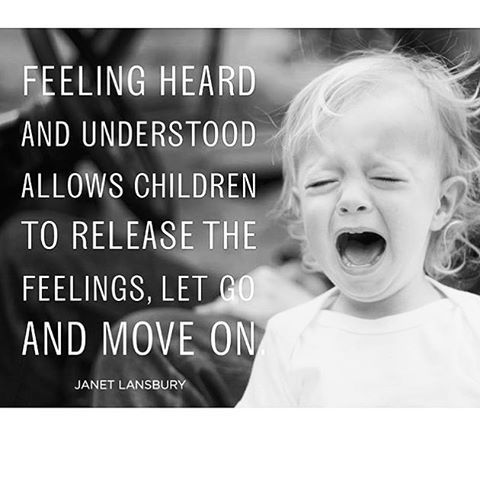
Timeout is a temporary, artificial, and inadequate solution to a real problem. Worse, it actually prevents us from seeing the real problem, because when kids feel judged and rejected, they tend to clam up (as we all do). Timeout closes the door on communication in the misguided hope that children will think about their behavior and, shamed, resolve to do better in the future.
The problem with this logic is that it assumes children are thinking reasonably when they are breaking the rules. The truth is they’re usually acting on impulses that don’t make sense to them either. So, in effect, we’re expecting them to reason out the unreasonable while dealing with equal doses of shame and guilt, then miraculously come to their senses and henceforth conduct themselves with a more mature level of self-control.
This is a fantasy. It’s just not going to happen.
In truth, timeout is the exact opposite of what our children need when their behavior hits the skids. Defiance, aggression and other limit pushing behavior are our children’s way of letting us know their impulses have taken hold. Self-control has left the building, and they need to be able to depend on ours as back-up. This can only happen when we’re tuned in, not turning them away in anger or judgment.
With this crucial shift in perspective as a starting off point, and a clear understanding of our role, we successfully handle challenging behavior by following these steps:
- Focus on helping our children when they can’t help themselves.
- Set limits calmly and early, expect impulsivity.
- Be ready to physically follow through with limits by preventing unsafe or inappropriate behavior, heroically removing children from situations when they’re clearly unraveling (which is “time-in” rather than timeout, akin to what my son’s British soccer coach calls “taking a breather”).
- Accept and acknowledge feelings without judgment, so that children can trust us as their empathetic leaders and themselves as good people.
Find more information from Janet Lansbury on Positive Discipline Techniques and her book No Bad Kids.
 Play Space Early Learning Center