Blog

TOYS! TOYS! Everywhere!

Any mom who has been in an online mom’s group or any group that discusses children for that matter, has almost certainly witnessed numerous posts like this: “Help! Our playroom is a disaster, how do you organize yours?” Or “Is it just me, or is this what everyone’s front room looks like?” Insert photo of children’s toys everywhere throughout the front room. The struggle is real… for sure.

With children comes stuff, sometimes it feels like lots and lots of stuff. So how do we decide if a toy is worth purchasing? The first step is actually having this thought to begin with. Right??? It’s pretty easy to buy children toys. You want them to have the world, so do their grandparents and everyone else in their life.

I have to first say, I have an obsession with wooden toys. It started the first time I ever set foot in a Reggio Inspired classroom. My very first thought was “Every child should have this! I want this! This is amazing! These beautiful environments really make you want to be creative and that’s what we would want for any child, yes?

If you’ve never seen first hand what a Reggio inspired classroom looks like, here is just one of many beautiful examples:

6a0147e1d4f40f970b01b8d1b61e6a970c

Reggio, Montessori, and Waldorf schools alike are all intertwined in being known for offering natural and wooden materials for children to use. There are differences in philosophy when it comes to these schools, but certainly similarities when talking about materials. What my favorite part about Reggio inspired environments is, is the use of loose parts, recycled materials, and beautiful items for children to use.  There are a million other reasons why this Italian philosophy really speaks to me but this is a post about toys and materials, so I’ll save my “I love Reggio” rant for another post, another day.

So, let’s talk about some of my most favorite toys/materials to use that both qualify for completely awesome infant AND toddler toys. Whether you are a parent that has multiple children, is planning to have multiple children, takes care of other children, (you get the idea) it’s awesome to have toys that work for all age ranges which helps cut down on the amount of toys needed in the shared space.

My top favorites:

Little Saplings: Insert swoon emoji here. Gorgeous wooden toys made in Utah. My son seriously learned the whole alphabet from looking and pointing at the block alphabet letters before the age of two. Plus side is they have both upper and lowercase letters on each block. Also worth noting, I love the rainbow blocks, lacing shapes, and peg board. The stool is the cutest and most practical thing ever as well.

IMG_3166

IMG_3078

Plan Toys: Large manufacturer, but well known for their wooden toys for all ages and very reasonably priced. I purchased many of these items second hand and they are perfect. I thought long and hard about what to get my son for his second birthday that just passed and this is what I decided on. The Plan Toys water blocks. Not only can they be used while building with other block sets (like the Melissa and Doug Standard Unit Natural Block set) they also are true to color and when placed in front of each other, make secondary colors. So. Freaking. Cool.

Holztiger: I’m obsessed with these EXPENSIVE hand crafted, well worth it, wooden animals. They are beautiful, quality toys, that infants can look at, chew on safely, and toddlers and preschoolers love to incorporate into imaginative play and building. They are fantastic. Throw in some loose parts materials and see how your child comes up with different imaginative play scenarios.

Papa Don’s: Oregon made quality wooden toys. I love, love, love, the ring stacker. We have owned this stacker since my son was around 9 months and he still uses it today.
montessori-stacker-toy__05186.1464109760.1280.1280

So, these are some of my favorites, but the point of this post is to encourage all adults who have young children to consider beauty, quality, and functionality, in the toys they purchase for children in their lives. In the post coming up, I’ll talk about all the ways to incorporate recycled and loose materials into your child’s play spaces. It does not need to be expensive to create a beautiful, functional, child’s learning environment. Just purchase less and use more of what you already have. Save your packing paper, cardboard, and glass jars, for the next post!

IMG_4906

IMG_4905


Contraptions and Fostering Natural Gross Motor Development

It starts the second we find out we are pregnant, researching all the latest contraptions and must have items for babies. Followed by baby showers and other mom’s recommendations for what provided them sanity in their new sleep deprived state. We want to know what will make life easier?!? The tricky part is since all children are different, there really is no one item that works for all babies.

I loved learning about RIE because it throws out the need for all those contraptions and attempts to trust that babies will innately learn what they need on their own time. Only laying children on their backs until they learn to roll over on their own. Letting them discover what is around them and to trust control of their own body movements. I have to admit, following a RIE approach to infant care has been increasingly more difficult as a parent then as a teacher. In a classroom setting RIE was just the philosophy we followed, the set up allowed for it, all the teachers involved had a commitment to the process.

baby_grabbing_feet

As a new mom, I found myself struggling with how to juggle at home life routines with providing 24 hours of RIE approved care. Let’s just say, I was not successful 100% of the time. My ideals certainly ran into road blocks and I admit to using a swing, and a baby Bjorn bouncer in order to try and cook or take a shower. I even used a Rock n’ Play once after being told by many moms it was the only way they got their baby to sleep. I needed sleep. So when I talk about the ideals of using a RIE approach I talk about it as both a teacher but also as a mom. A mom that certainly understands sometimes in a sleep deprived, all encompassing world of having a new baby, we just need anything to work which keeps our child safe.

All that being said, I believe there are so many benefits to using Magda Gerber’s philosophy with infants. Something feels right to me about respecting infants and young children as individuals, not using childism and letting their bodies move freely. Using RIE with children is a constant journey and learning process for me. It takes practice in a culture where we often use high pitched voices with babies, move them around quickly, or interrupt their discoveries. If we are not mindful of taking a second to observe what they are doing and recognizing it might be a meaningful learning experience they are immersed in, we may disturb or stop all together that process in order to achieve our own agenda.

To learn more on this topic. Visit Sitting Babies Up.


Small Spaces with Big Learning Opportunities

A little over a year ago my husband and I decided to make the move back to Oregon after living in California for the past 12 years. We agreed that we wanted to leave suburban life for a while and try living a simpler life in the city. We have now been living back in Oregon for over a year and just moved into a condo we recently purchased in the Pearl District. Along with a convenient location comes a smaller living space for us.

It’s been liberating to donate, toss, and gift, years of accumulated items which had been stored in a home we had lived in for over 10 years. We now live in a 800 sqft condo, with a highly active toddler. You got that right, 800, not 1,800 sqft.

All this leads me to doing a post regarding how to create learning environments for children in small living spaces. It takes some creative thinking and certainly evaluating the importance of every item in the space.

Key tips for creating learning spaces for children (regardless of the size of the space) should include:

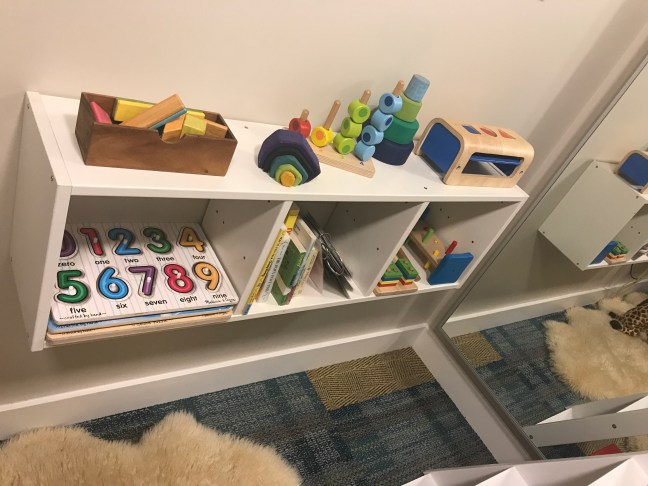
-Low accessibility to toys and learning materials. (Mounting shelves and storage at a level your child can easily access.)

-Consider making as many of the toys visible as possible. This may seem counter-intuitive, what’s a toy box for then right? The more visible and accessible an item is, the more apt a child is inclined to use it. Don’t get me wrong, baskets certainly have their place in a child’s environment, for all those toys that consist of multiple pieces (ie: block sets, Legos, Tinker Toys, etc.)

-Only have toys that look appealing. Chances are, if it looks nice/fun/interesting to you, it will to your child as well.

-Often the importance of having a quiet, soft, cozy, space for a child gets overlooked; it is important for this space to exist somewhere. If more then one child is in the living space, it acts as a location where a child can go if they feel overstimulated, or want some downtime. It is also a location where reading and looking at books can take place.

IMG_4664

Tips for setting up children’s environments in particularly small spaces:

-Think multipurpose everything. Have a toddler table? That is the meal table, art table, train table.) Don’t have space for a separate toddler table but do have a coffee table? Perfect! Your coffee table is the art and activity table, many modern coffee tables even have storage. Keep whatever art materials you use regularly for your child in there and it makes for easy clean up.

IMG_4603

IMG_4600

-Mounting small cubical shelving allows for you to place items of different sizes in, below, and above the shelves. Taller items can fit below, and above. My favorite style of shelving to use for infant and toddler environments the Ikea TROFAST wall storage.

http://www.ikea.com/us/en/catalog/products/50171122/

FullSizeRender (1)

I leave the plastic mounting hardware for baskets off and just use the shelving unit. The reason why it’s so fantastic for small spaces is it’s only around 11 inches wide. When your child is an infant, you can set the shelving on the floor, as they are sitting up, you can mount the shelving on the wall at a very low level. As your child starts to learn to pull themselves up, this also acts as a safe way for them to pull up without the risk of something falling over. As they become toddlers, mount it even higher to make space for all those larger toy items they start to enjoy.

-It’s just a hallway, or is it? Consider making spaces that would normally be a through space, usable. We happen to have a really large hallway, and it’s full functioning.

-Use your window sill to display toys or activities, if you don’t have one, consider setting something up right in front of the window. Wherever the best natural lighting in your house, your child will be drawn to doing things in that space. What is even better about it, is they often look out the window more often as well when an activity is happening there. In our space, the window overlooks some really beautiful mountains, but also some pretty awesome cars.

IMG_4651

IMG_4645


Meal Times

Meal times are a very important aspect of the day. Meals are offered using non plastic items and treated as a beautiful experience and time to come together. At a young age, children start learning to pour water for themselves, portion out their own food, treat breakable materials gently, and begin the process of mastering the usage of different eating utensils.

Meals are provided by the caregiver. *Please note any special accommodations, food preferences, or allergies prior to enrollment.

“But we must not forget that one of the most important links between people and food is the principle of pleasure; the pleasure that derives from using the senses but also the pleasure of discovery, the pleasure of manipulating raw materials to create foods, the pleasure of play and the pleasure of company, which at the table becomes conviviality.”
Excerpt from Reggio Children publication ‘The Languages of Food recipes, experiences, thoughts’ by Reggio Children. For more information regarding the ideas behind Reggio inspired mealtimes, please visit The Experience of Food.

IMG_3503

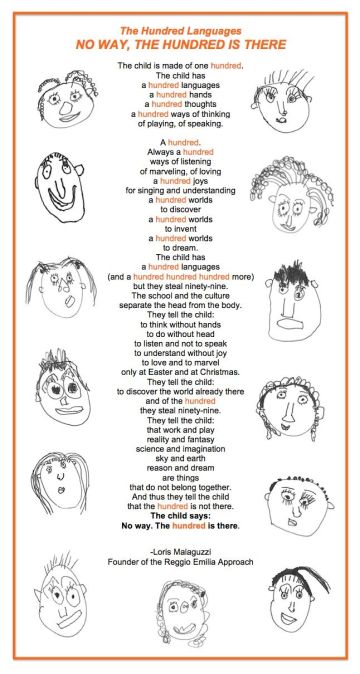
The Hundred Languages of Children

 
6a22516ab428e4ecbc842a492fae779aChildren have so many ways to express themselves. Loris Malaguzzi, the founder of the Reggio Emilia Approach has described beautifully how children see and discover the world around them. It is our role as caregivers and educators to facilitate in letting these “languages” come to the surface and thrive.

Children are capable of exploring different means of expression at a very young age.

Below is a experimentation in tempra paints.


Diapering and Personal Care Routines


babyDiapering and personal care routines are a large part of any infant or young child’s day. These care routines are done with the utmost care and sensitivity to the child. Care routines are not rushed or looked at as something to get through. These important routines are a learning opportunity and a way to strengthen the relationship between the child and caregiver.
“Children don’t like to be interrupted when they are playing, and most diaper changes can be postponed until there is a lull in an infant or toddler’s activity. Wait for a break in your child’s play and then say discreetly, “Please let me check your diaper now”.  Then, “We’re going to change your diaper.” If the child walks, you might give the option, “Would you like to walk to the changing table or shall I carry you?” If he resists, you may be able to give him the choice of a bit more time. “I see you’re still playing. In five minutes we will change your diaper.”Toddlers crave autonomy and are more amenable to cooperation when we respect their need to make some decisions.”

For more information on this topic, please see How to love a diaper change and The Evolution of a Diaper Change.

*Cloth diapers are available (sizing includes from infants to toddlers) for use during care hours at no additional cost, provided by the caregiver.

How to help your child say goodbye

Taking some important first steps can help aid in the transition to make saying goodbye go a little smoother for both you and your child.

1.) Schedule a complementary visit prior to leaving your child with me. During this time we can get to know each other, your child can get a feel for the environment with the comfort of you being with them.

2.) Talk about what is going to happen prior to bringing them. If your child is old enough, it’s important to have conversations with them regarding what their day is going to look like. This helps prepare them for the transition.

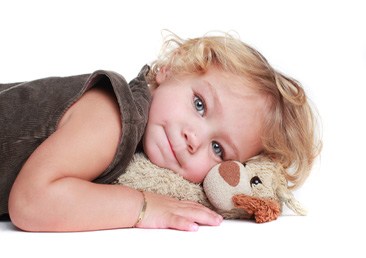
3.) Bring a comfort object. Something that your child has a home that makes them feel safe.

4.) Leave any information on details that help soothe your child. This might include songs you often sing or listen to together, a story you read on a regular basis or a routine that that brings comfort to them. I will do my absolute best to make sure your child feels as comfortable as possible, engaging them and reminding them of your return. I will send updates throughout the day to let you know how your child is doing and I’m always available for two way communication for anytime you would like to check in via text, email, or phone.lovey_hp1

My Mommy/Daddy comes Back song:

“My mommy comes back
She always comes back
She always comes back to get me
My mommy comes back
She always comes back
She never would forget me”

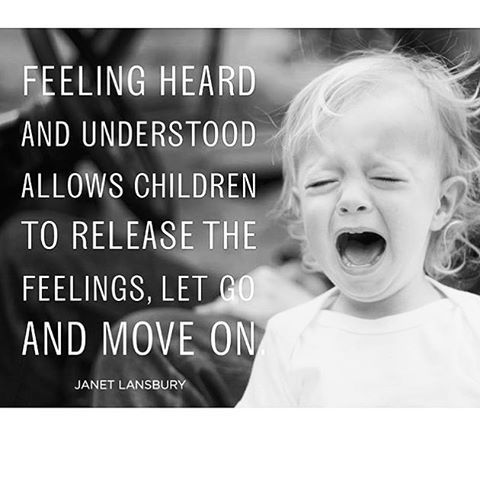
Janet Lansbury on Why Timeouts Fail and What to do Instead

Timeout is a temporary, artificial, and inadequate solution to a real problem. Worse, it actually prevents us from seeing the real problem, because when kids feel judged and rejected, they tend to clam up (as we all do). Timeout closes the door on communication in the misguided hope that children will think about their behavior and, shamed, resolve to do better in the future.

The problem with this logic is that it assumes children are thinking reasonably when they are breaking the rules. The truth is they’re usually acting on impulses that don’t make sense to them either. So, in effect, we’re expecting them to reason out the unreasonable while dealing with equal doses of shame and guilt, then miraculously come to their senses and henceforth conduct themselves with a more mature level of self-control.

This is a fantasy. It’s just not going to happen.

In truth, timeout is the exact opposite of what our children need when their behavior hits the skids. Defiance, aggression and other limit pushing behavior are our children’s way of letting us know their impulses have taken hold. Self-control has left the building, and they need to be able to depend on ours as back-up. This can only happen when we’re tuned in, not turning them away in anger or judgment.

With this crucial shift in perspective as a starting off point, and a clear understanding of our role, we successfully handle challenging behavior by following these steps:

  1. Focus on helping our children when they can’t help themselves.
  2. Set limits calmly and early, expect impulsivity.
  3. Be ready to physically follow through with limits by preventing unsafe or inappropriate behavior, heroically removing children from situations when they’re clearly unraveling (which is “time-in” rather than timeout, akin to what my son’s British soccer coach calls “taking a breather”).
  4. Accept and acknowledge feelings without judgment, so that children can trust us as their empathetic leaders and themselves as good people.

Find more information from Janet Lansbury on Positive Discipline Techniques and her book No Bad Kids.

What is RIE and an Educaring approach?

IMG_0535

THE BASIS OF THE EDUCARING® APPROACH:  RESPECT

Respect is the basis of the Educaring® Approach.

We not only respect babies, we demonstrate our respect every time we interact with them. Respecting a child means treating even the youngest infant as a unique human being, not as an object.

OUR GOAL: AN AUTHENTIC CHILD

An authentic child is one who feels secure, autonomous, competent, and connected.

When we help a child to feel secure, feel appreciated, feel that “somebody is deeply, truly interested in me,” by the way we just look, the way we just listen, we influence that child’s whole personality, the way that child sees life.

TRUST IN THE INFANT’S COMPETENCE

We have basic trust in the infant to be an initiator, to be an explorer eager to learn what he is ready for.

Because of this trust, we provide the infant with only enough help necessary to allow the child to enjoy mastery of her own actions.

SENSITIVE OBSERVATION

Our method, guided by respect for the infant’s competence, is observation. We observe carefully to understand the infant’s communications and his needs.

The more we observe, the more we understand and appreciate the enormous amount and speed of learning that happens during the first two or three years of life. We become more humble, we teach less, and we provide an environment for learning instead.

CAREGIVING TIMES: INVOLVING THE CHILD

During care activities (diapering, feeding, bathing, dressing, etc.), we encourage even the tiniest infant to become an active participant rather than a passive recipient of the activities. Parents create opportunities for interaction, cooperation, intimacy and mutual enjoyment by being wholeheartedly with the infant during the time they spend together anyway.

“Refueled” by such unhurried, pleasurable caring experiences, infants are ready to explore their environment with only minimal intervention by adults.

A SAFE, CHALLENGING, PREDICTABLE ENVIRONMENT

Our role is to create an environment in which the child can best do all the things that the child would do naturally. The more predictable an environment is, the easier it is for babies to learn.

As infants become more mobile, they need safe, appropriate space in which to move. Their natural, inborn desire to move should not be handicapped by the environment.

TIME FOR UNINTERRUPTED PLAY AND FREEDOM TO EXPLORE

We give the infant plenty of time for uninterrupted play. Instead of trying to teach babies new skills, we appreciate and admire what babies are actually doing.

CONSISTENCY

We establish clearly defined limits and communicate our expectations.

© 1998 by Magda Gerber

Children’s Environments

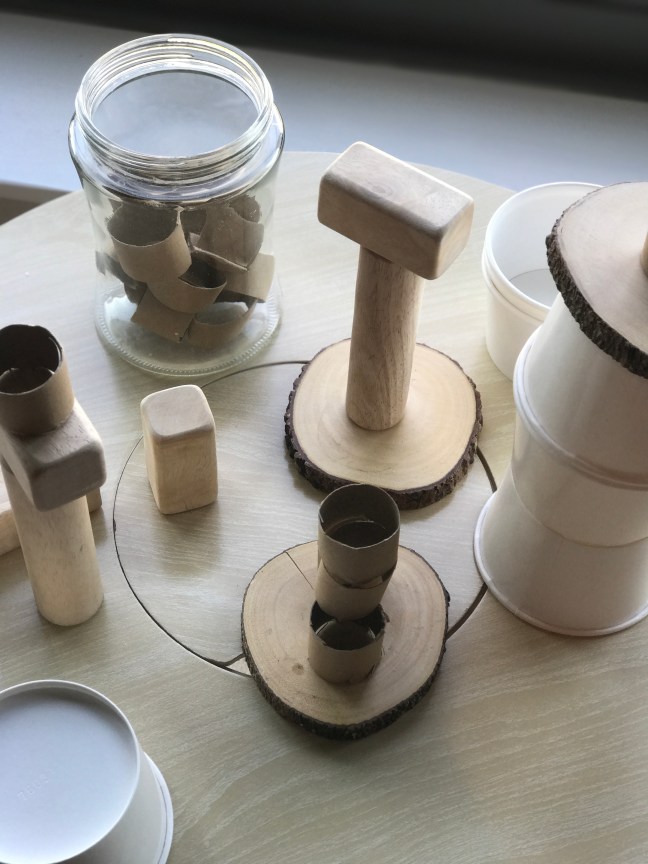
The Reggio Approach believes the learning environment should provide inspiration and provocations for children. Emphasis is placed on spaces that are filled with natural light, and possess order as well as beauty. The space should encourage both rich communication and exploration opportunities. The learning environment itself is actually considered to be somewhat of a third teacher for children, in addition to the teachers and parents. Classrooms would be arranged so that they provide plenty of thought provoking hands-on learning experiences for children. For example, you might find a vast array of recycled materials living collaboratively alongside an abundance of natural resources within the learning spaces.

When presented with open ended materials, loose parts, and beautiful objects, children are able to use them in their own creative way in relation to their world. Many times this includes items from nature, or recycled materials.